Goat-Goat-Beet

Part of a collection of recipes I’m calling My Purple Passion

Part of a collection of recipes I'm calling My Purple Passion

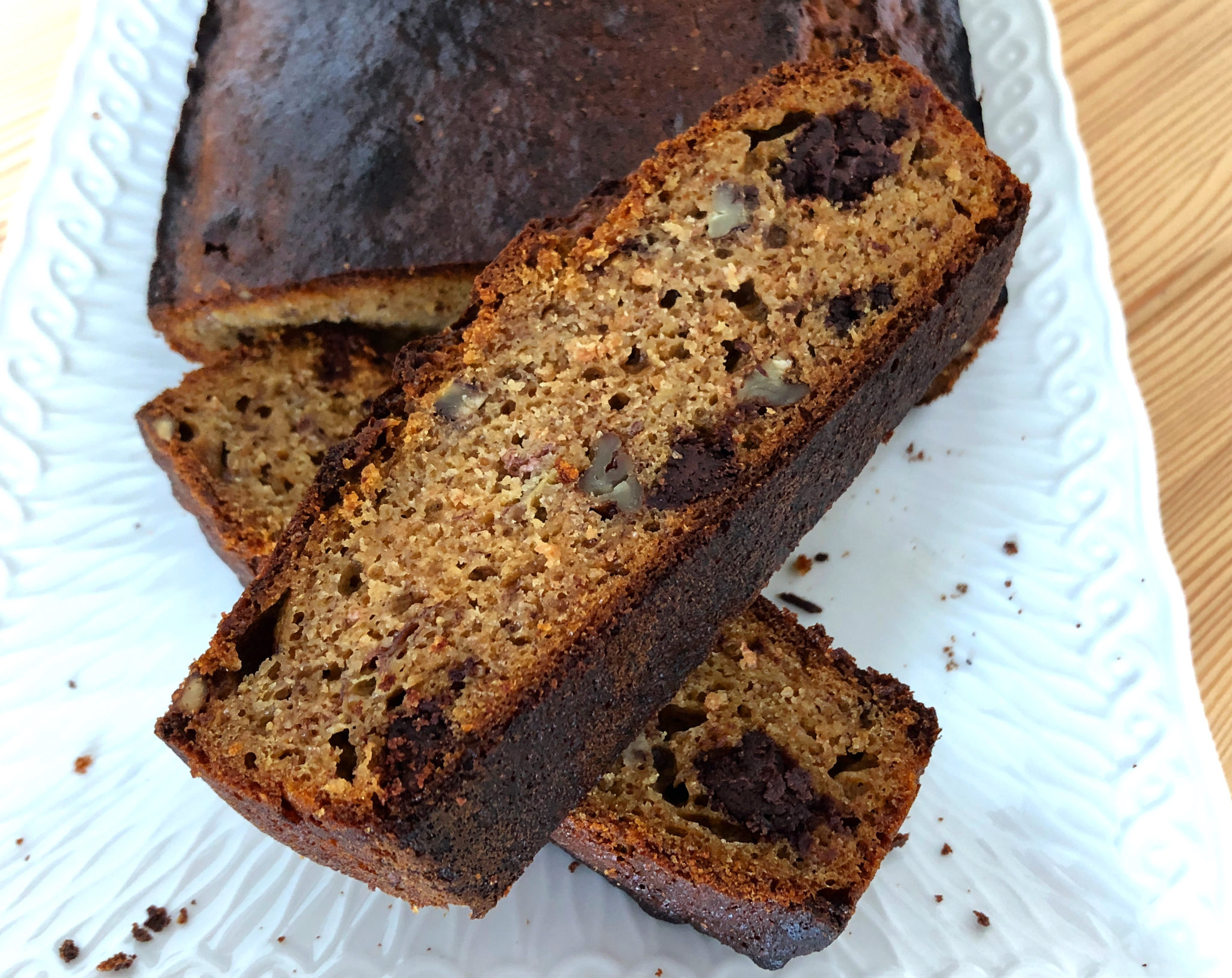
So, for some reason everyone has started making Banana Bread! I think it must be because we all went out and bought a crate load of bananas at the beginning of the crisis and now their just too ripe to eat but oh so good turned into Banana Bread, (or awesome pancakes...more on that another time!)

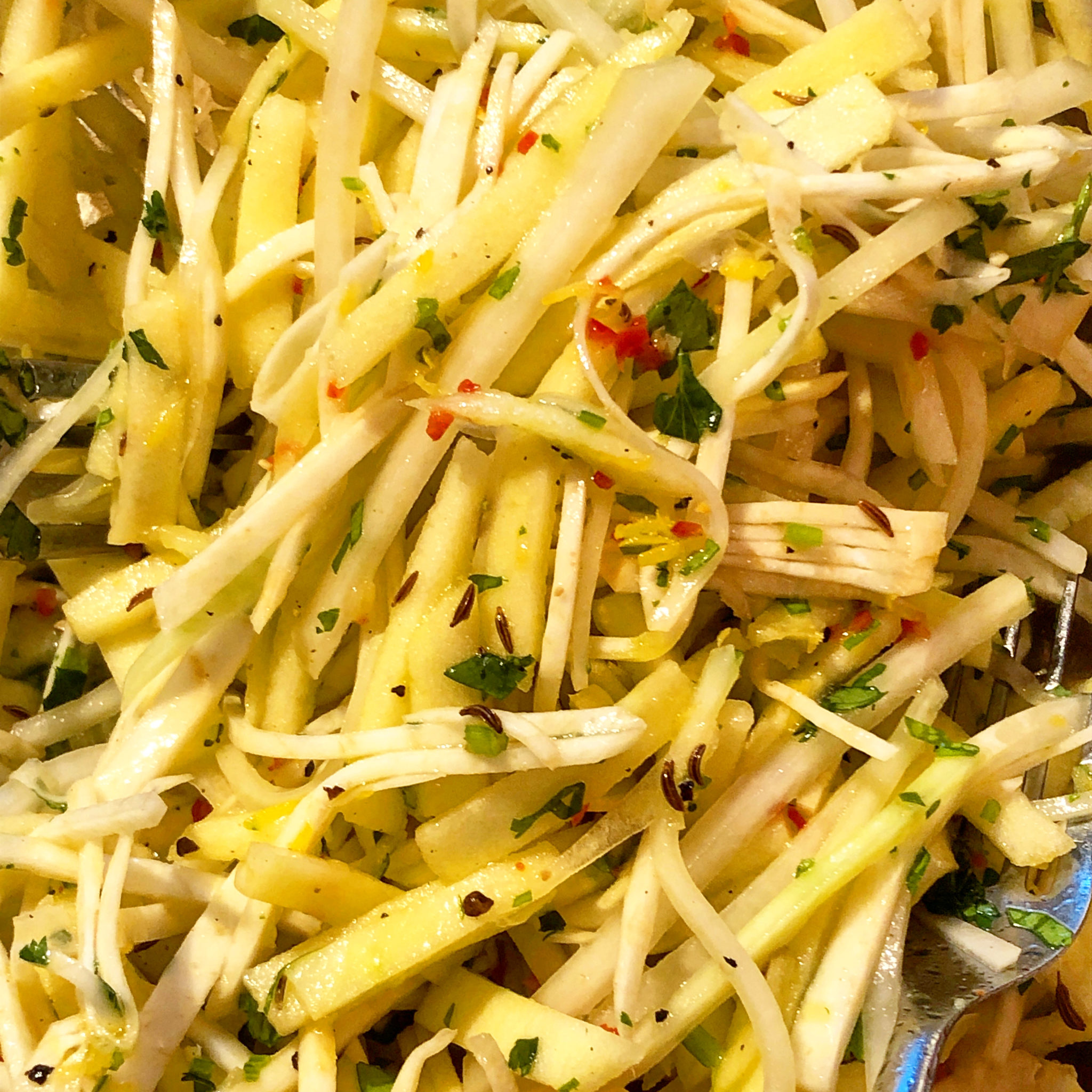
Remo-what? I hear you cry... Well, a remoulade is a Danish chop salad or slaw, but takes its flavour notes from earthy, peppery tasting vegetables - usually celeriac. It is also usually creamy and speckled with wholegrain mustard, but in these times of making use of what you've got lying around and not travelling to shops unless necessary, this remoulade is much lighter using lemon juice and olive oil instead. It really lightens up the whole dish, and with warmer weather on the way, would be a perfect partner with BBQ meats, especially pork!

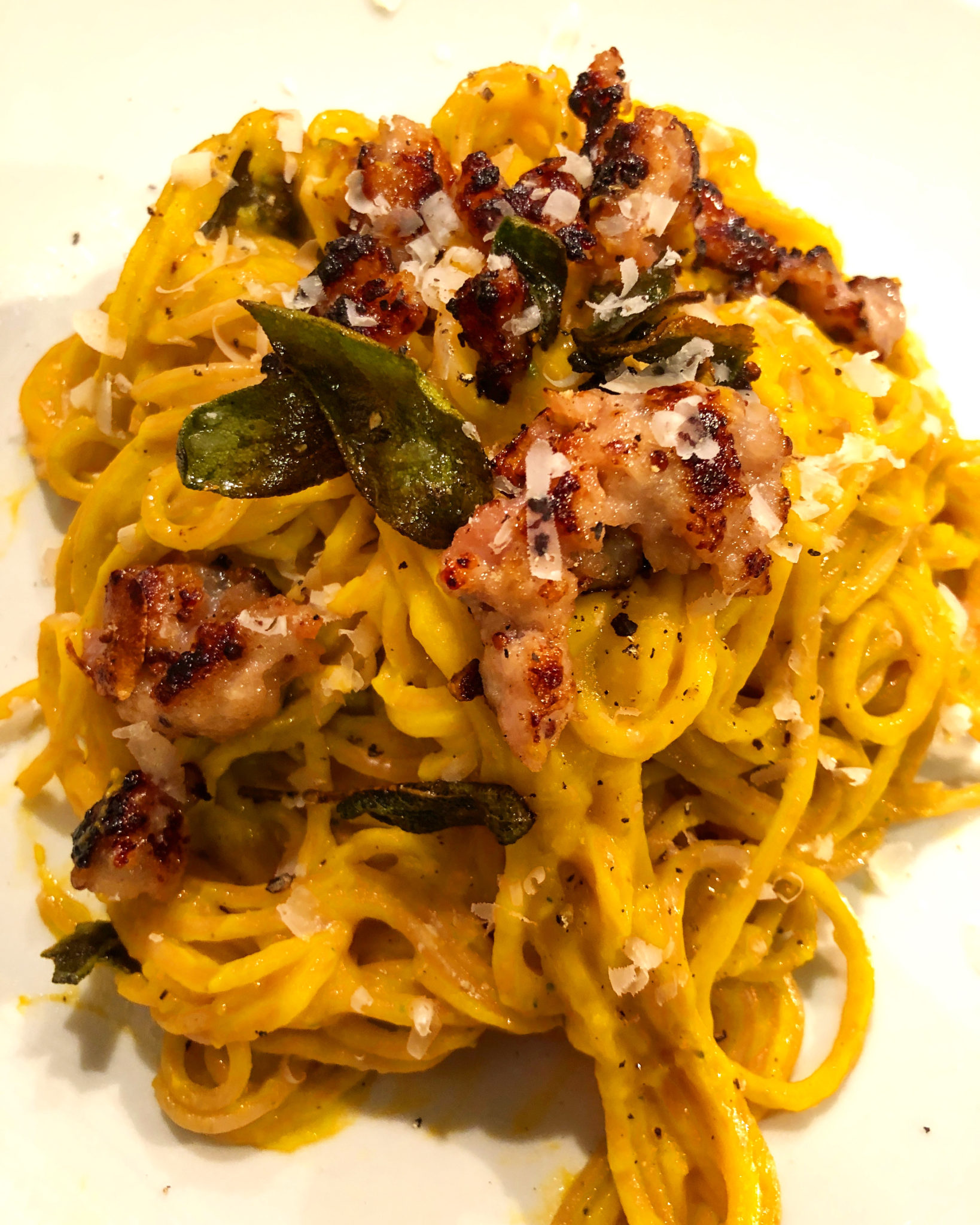
Apparently, 6th April is World Carbonara Day, and I've just finished reading this wonderful article by Manuela Spinelli of Eurotoques Ireland on the heart pounding merits of a good classic carbonara, and also reminding us that the principle of Italian cuisine is "generally three ingredients that marry together and become a paradise of flavours." I shudder to think what Manuela would say to me on spying the mushrooms I love to put in my carbonara, along with parsley and the wrong kind of pork and cheese.

My love for Lassi knows no bounds. I'd sooner have a Lassi over a milkshake, and of course they can be sweet or salty but always delightful.

I'm one of those people who adore Brussel Sprouts. Mr Flavour refers to them as The Devil's Vegetable, a non-compliment he bestows upon Cauliflower - also a favourite vegetable of mine. It's a wonder how it is we have managed to be together for 20 years to be honest!

Twas three nights before Christmas, and Mr Flavour and I palmed off our beloved Springer Spaniel onto our unwitting friends and heading to Cork for a night of food, drink, a Bag O'Cans and a gig in a Church. Rock and Roll!

I can't tell you how much I love this dish! I sometimes exchange the cheese for homemade Kofte, but using Macroom Buffalo Haloumi is a really great substitute for a Meat Free feast!

I made this recipe back in September just as the autumn was starting to make an appearance in earnest. And, despite it taking me a solid three months to get it up on the blog, thankfully all the flavours are still as relevant as we head into the end of one year and the beginning of a new one!

One of the absolute joys of recent years is discovering the wonder of slow cooked beef and pork cheeks!

#AD Have you heard the news? Now there's a Clonakilty Pudding for Veggies...and it's seriously yum!

Goat-Goat-Beet

Part of a collection of recipes I’m calling My Purple Passion

So, I hold a deep conflict when it comes to anything Goaty. If I ever have enough land to keep animals, the first thing on my list would be a goat. They are such lovely creatures – cantankerous but full of personality. When my parents used to live in the Welsh mountains, they had three Cashmere Mountain Goats called Flymo, Black and Decker – I know, you don’t need to say anything. Aside from my parents and their dogs, I always looked forward to seeing the goats. I’ve loved them ever since, but the thing is, I also adore their milk, yogurt, cheese and, yes its true, their meat.

In the past few years, goat meat has been appearing on menus here and there and across the country there are a small number of goat farms raising goats for their meat. It’s been hailed as a sustainable alternative to meat production and consumption, but it isn’t a cheap meat and, for the most part, producers in Ireland mostly service the restaurant industry. But, with Covid-19 that market has been lost to the producers and are focusing their efforts to sell direct to normal customers, like you and me, a lot more. This is great news for those who have been curious about working with goat meat, but found it difficult to source exceptional quality, Irish reared goat to cook with at home.

There is Broughgammon Farm in the north of country, and a scattering of others around the midlands. Down south is the wonderful Ballinwillin House in Mitchelstown, Co Cork. On this farm on an old estate, Pat and Miriam Mulcahy produce wild boar, venison, beef and goat meat all grass fed and semi-free range. Everything happens on site, including their own abattoir, butchery and smokehouse. In terms of production, it has virtually zero food miles – that and, of course, it is meat of the most exceptional quality.

Thanks, in part, to Covid-19, Ballinwillin House is now selling their produce through Neighbourfood – an excellent initiative that I have championed since the first collection day in the Old Apple Market in Cork city on a bitterly cold and wet winters’ evening in 2018. Ballinwillin are a newcomer to our corner of the world here, through Neighbourfood. Choosing items for my weekly order, I stumbled upon their Goat Salami. A lover of salami, you can imagine, I was immediately intrigued so that went in the cart. Then I spotted that the lovely Siobhan from St Tola Goats Cheese was also starting to sell that week, and her newest product, St Tola Divine, described as a fresh and creamy goats curd, also caught my eye, so that went in the cart too.

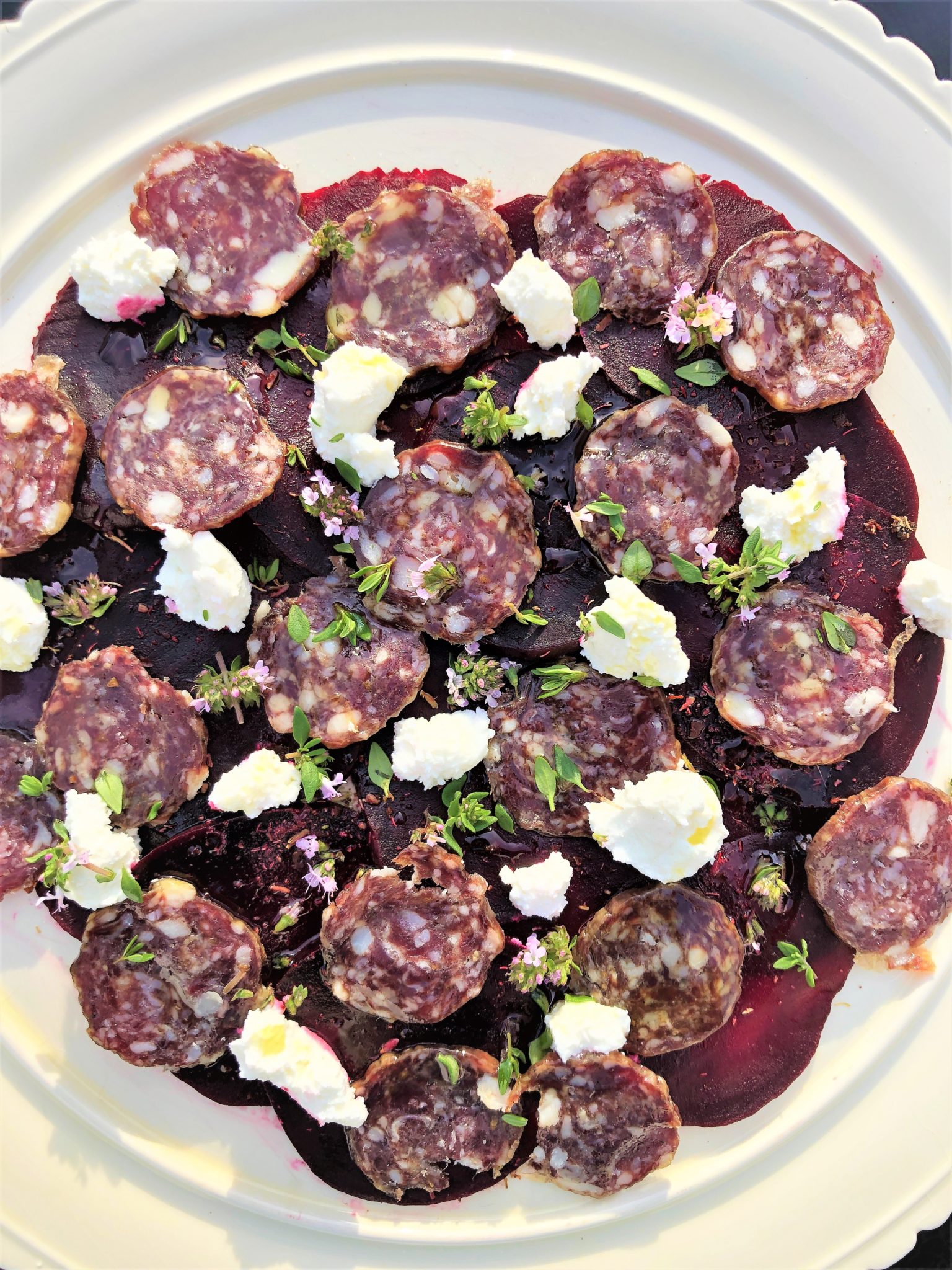
I had a suspicion that these two ingredients would be a dream together: the rich funkiness of the goat salami and the sweet silkiness of the goat curd. And what goes so well with goats cheese? Beetroot of course! And what goes well with beetroot? Fennel and Chili, naturally – a favourite flavour combo of mine that I discovered many years ago when I developed my classic Beetroot, Fennel and Chili Soup (check it out here!).

The only cooking in this dish really is steaming, peeling and slicing the beetroot. But look, if you can’t be bothered to do that you could substitute for those ready cooked and peeled vac-packed beets you can get in the supermarket these days, but you know I’ll always prefer to encourage people to buy beets that have been grown seasonally and locally because, frankly, there is no comparison on taste!

What I will say is this: this dish deserved its place in My Purple Passion collection of recipes. So simple, and so delicious served as a summery shared starter al-fresco in the late evening sunshine. Best served with fresh bread – we found a pillowy focaccia works best.

Goat-Goat-Beet

Ingredients – this will serve 6 – 8 people as a nibbly starter

  • 100 g Ballinwillin House Goat Salami
  • 30 g St Tola Divine Goats Curd
  • 2 large fresh beetroot, steamed, peeled and thinly sliced
  • 1 tsp Maldon sea salt
  • 1/8 tsp fennel seed
  • 1/8 tsp chili flakes
  • Fresh thyme, leaves and flowers
  • Extra Virgin Olive Oil

Method:

  • If your beetroots come with their leaves still attached, remove them and save them to use as you would chard or spinach another time.
  • I find steaming the beetroot whole works best as you don’t lose flavour and is a very gentle way of cooking. Depending on the size of the beetroots, this should take around 30 – 40 minutes. They need to be cooked through, but I prefer the beetroots to retain a small bit of bite to them, but you may prefer them softer still so then cook until completely tender all the way through.
  • When cooked, allow the beetroots to cool slightly so you can handle them to peel them. I use a small pairing knife to scrape, rather than peel, the skins off. Top and tail and slice thinly using a knife or, if you have one, a mandoline.
  • In a pestle and mortar, place the salt, fennel seed and chili flakes. Grind into a seasoned salt mix.
  • Arrange the disks of beetroot on a platter and scattered all over with the salt mix.
  • Arrange slices of the goat salami on top and add small dabs of St Tola Divine Goats Curd.
  • Finally, dress with some fresh thyme leaves and flowers if you have them, (they are delightfully pinkish in hue too), and drizzle over with some great quality EVOO.
  • Serve with focaccia bread, and a glass of crisp, dry white wine.

Enjoy!

Cherry Brandy Brownie

Part of a collection of recipes I’m calling My Purple Passion

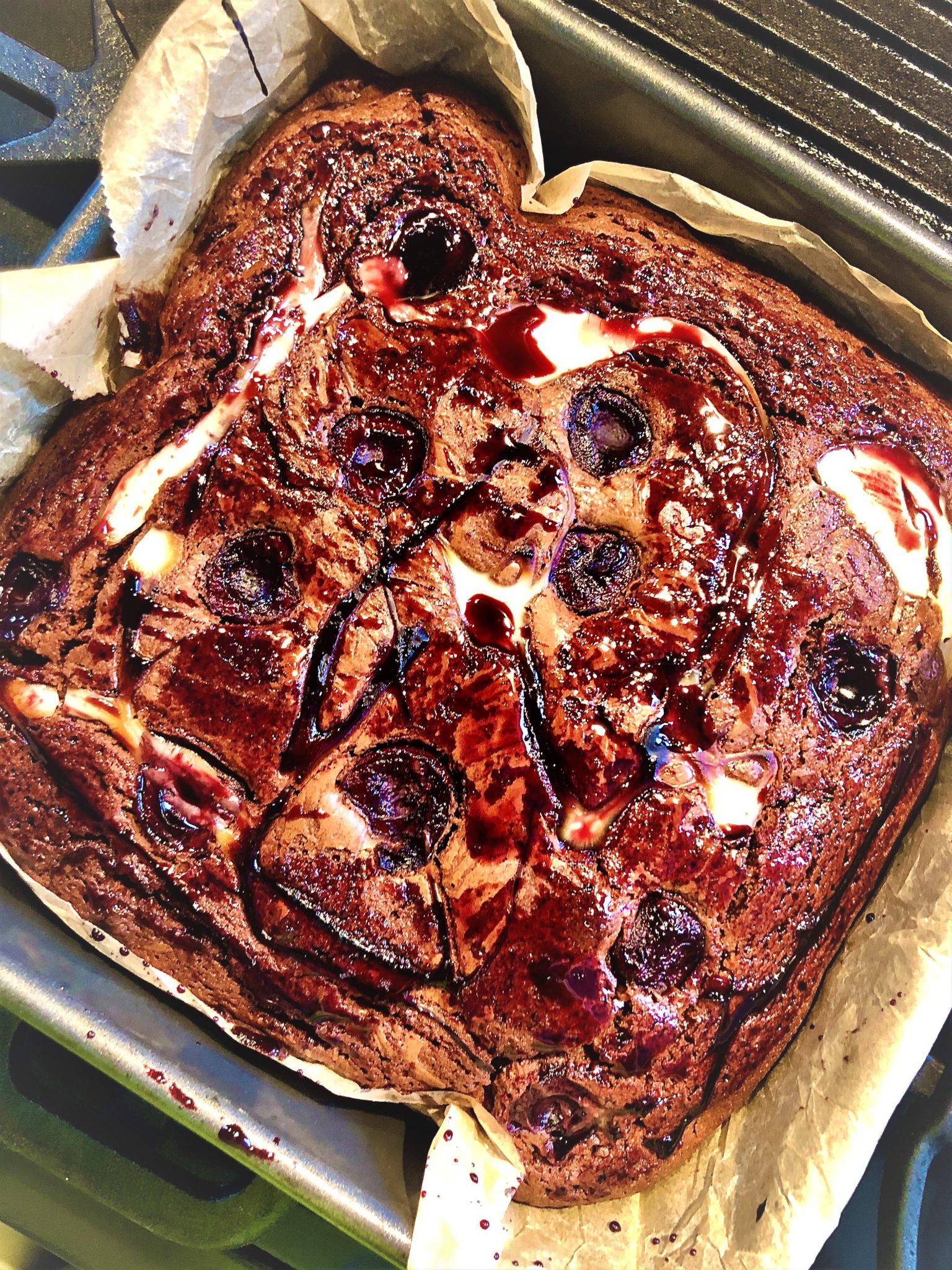
Right back at the beginning of the pandemic, I, on purpose, installed myself on an almost permanent basis in the kitchen. Of course there was the day to day business of cooking enough food to keep up well fed and happy, including snacks, but there was also a backlog of recipes that I was long overdue to test…some for this blog, some for another project I’m working on. I cracked on, cooking dish and dish and generally procrastinating about work and study. Back then I definitely didn’t think I should be reserving my energies and enthusiasm for as long a haul as it has been, and is still yet to come. I guess I just thought I should get through The Backlog as soon as possible before everything returns back to normal. Well, folks, lets just say this: don’t rely on me to predict the future of anything. I’m clearly useless! Anyways, after my fit of cookery began to equalise out to something much more sensible, one evening, scrolling through the seemingly unending collection of photographs of the food cooked over the past 12 weeks, and I noticed a bit of a trend – towards purple food. Purple like: red onions which I am currently addicted to roasting in the wood fire; red cabbage in so many different variations of chopped slaw salads, beetroot and, my favourite fruit of all, cherries.

So this blog post kicks off my homage to these purple foods that have kept me company. Three recipes in total: this ridiculously delicous recipe for a Cherry Chocolate Brownie that is definitely only for adults, a delicious starter of Beetroot, Goat Salami and Goats Curd with Fennel and Chili Salt, and finally my indulgent Cherry Amore cocktail. I hope you enjoy them.

It’s probably not a coincidence, but one of my favourite writers in the world is Alice Walker, and The Color Purple is probably one of my favourite books. One of the most famous lines in the book is thus:

“I think it pisses God off if you walk by the color purple in a field somewhere and don’t notice it. People think pleasing God is all God cares about. But any fool living in the world can see it always trying to please us back.”

Now, religious is the last thing I am, but replace God with nature and that’s where you’ll find me!

To kick off proceedings, I made this Cherry Brandy Chocolate Brownie at the very beginning of Lockdown in Ireland. Cherries were coming in season and my friend and Chocolate Maker extraordinaire, Allison Roberts of Exploding Tree, was, (still is), selling Experimenters Kits containing Raw Cocoa Beans, Roasted Cocoa Nibs, Coconut Blossom Sugar, Untempered Cooking Chocolate and a bag of Cocoa Husk Tea. Experimenting with these brownies was the first thing on my list!

I used fresh cherries here, but you could use tinned – just don’t throw away the juice! If you are using fresh cherries, allow at least two days for them to macerate in the juice, sugar and brandy before making the brownie mixture. If course, if you’d like to make these for your precious little ones, just leave out the brandy. Shame, but needs must – this I understand!

Cherry Brandy Brownies

Ingredients – makes 12 – 16 brownies depending on portion size!

For the macerated cherries:

  • 125 g cherries, pitted and halved
  • 3 tbsp of coconut blossom sugar or golden caster sugar
  • 150 ml tart organic cherry juice
  • 100 ml brandy

For the brownie mixture:

  • 265 g butter, cubed
  • 265 g dark chocolate – I used Allison’s Oat Milk Chocolate (60%)
  • 125 g plain flour
  • 1 tsp baking powder
  • 300 g coconut blossom sugar or golden caster sugar
  • 4 eggs

You will also need:

  • Velvet Cloud Sheeps Yogurt
  • Retain the liquid from macerating the cherries
  • More chocolate for grating over
  • Thick cream whipped to a soft peak

Method:

  • Place all the ingredients for macerating the cherries into a sterilised jar. Close the lid tightly and shake. Leave that to work its magic for at least two days. Give it a shake each day. No need to refrigerate but keep out of direct sunlight or sources of heat.
  • To make the brownie, preheat your oven to 180 degrees Celsius, and line a 22cm square brownie tin.
  • Place the butter and chocolate in a glass or metal bowl over a gently simmering saucepan of water. Ensure the water doesn’t touch the bottom of the bowl, melt gently and stir together. Take off the heat and set aside.
  • Beat together the eggs and sugar until fluffy, then add the chocolate mixture and stir well to combine.
  • Mix the baking powder through the flour then add the flour mix to the chocolate and egg mix gradually to ensure a beautifully smooth texture.
  • Drain, but retain, the liquid from the cherries. Add about half the cherries to the batter mix, stir through then pour into the prepared baking tin.
  • Place the remaining cherry halves so they just sit in the brownie mix without sinking, and drizzle thick, silky lines of Velvet Cloud sheep’s yogurt over the top.
  • Bake in the oven for between 40 – 45 mins. I prefer my brownie to have a crust on top, mostly solid with a slightly fudgy but not oozy centre. Ideally things should still wobble a little under the crust. As the brownie cools down it will firm up, so don’t fret too much!
  • Remove the brownie from the oven and allow to cool in the baking tin for 15 minutes.
  • Meanwhile take the reserved cherry and brandy juice and place into a saucepan. Bring to a boil, reduce to a simmer to thicken and reduce the sauce by about a third – it should coat the back of a teaspoon.
  • Use a bamboo skewer or something similar to make small holes all over the surface of the brownie. Using a pastry brush, brush over the reduced cherry stock to soak into the brownie. Be generous, but don’t use it all up otherwise the brownie will collapse. Reserve it for drizzling over when serving!
  • Cover and place in the fridge to cool right and firm up.
  • To serve, remove from the baking tin and cut into squares (between 12-16 depending on portion size – I am not here to judge!).
  • Plate a square of brownie, grate over some more chocolate, drizzle over some of the left over cherry stock and serve with a generous mound of pillowy whipped cream.

Enjoy!

Awesome Banana Bread

So, for some reason everyone has started making Banana Bread! I think it must be because we all went out and bought a crate load of bananas at the beginning of the crisis and now their just too ripe to eat but oh so good turned into Banana Bread, (or awesome pancakes…more on that another time!)

Even Stephen Fry got in on the act, so I was delighted when the three bananas left in the fruit bowl reached the point of no return and I was ready in a flash to get going with my trusty recipe!

Now, I’ve been using this recipe for the bones of twenty years! It started as a WeightWatchers recipe and then I quickly substituted all the healthy stuff for delicious things and improved the whole thing massively as a result. I don’t know why I’ve never thought to share this, but seeing as everyone is stuck in their kitchens with a couple of over ripe bananas in their fruit bowl and too much time on their hands, it seems like as good a time as any to finally share it with you!

Awesome Banana Bread

Top Tip: Use a loaf tin for this. A nice little 1 lb loaf tin will give you a compact and high loaf, a larger tin a longer, thinner loaf; or if you have some individual mini loaf tins or even paper muffin cases you can use that too, but adjust the cooking time as needed: the smaller the portion the quicker the cook.

Ingredients:

  • 200 g Self Raising Flour
  • 1/4 tsp of Bicarbonate of Soda
  • 75 g of butter, plus extra for coating the loaf tin
  • 75 g of sugar (demerara and coconut blossom sugar are great for added caramel flavours)
  • 1 tbsp of honey
  • 2 eggs
  • 2 or 3 ripe bananas, mashed
  • Handful of chopped nuts (walnut or pecans are perfect)
  • Handful of chocolate, a 50% dark milk chocolate is great
  • If you want, add some sultanas or even some fresh blueberries.

Method:

  • Pre heat the oven to 180 degrees Celsius fan.
  • Butter the loaf tin.
  • In a bowl, place the flour and bicarb.
  • In another bowl, cream together the butter, sugar and honey.
  • Add the eggs in one at a time. If the mixture is too dry, add another egg.
  • Stir the flour mix into the butter mix and combine.
  • Add the mashed bananas, chopped nuts and chocolate, mix well.
  • Pour into the tin and back for 1 hour. Skewer to test if it is cooked.
  • Turn out and allow to cool.
  • Slice and serve on its own, buttered or with some whipped cream.

Enjoy!

Celeriac, Kohlrabi & Apple Remoulade

Remo-what? I hear you cry… Well, a remoulade is a Danish chop salad or slaw, but takes its flavour notes from earthy, peppery tasting vegetables – usually celeriac. It is also usually creamy and speckled with wholegrain mustard, but in these times of making use of what you’ve got lying around and not travelling to shops unless necessary, this remoulade is much lighter using lemon juice and olive oil instead. It really lightens up the whole dish, and with warmer weather on the way, would be a perfect partner with BBQ meats, especially pork!

So, I guess strictly speaking this isn’t a remoulade, but it’s close enough!

I have used celeriac but also Kohlrabi – a bulbous vegetable that has a crisp, crunchy flavour somewhere between a Granny Smith apple and Mooli (that long white radish used in Asian dishes). It’s used a lot in Northern Continental Europe, as well as in Germany too. I added in apple too, as celeriac, kohlrabi and apple are great together!

There is a lot of chopping that goes into making this salad, admittedly, so you can decide what is the best way to get it done for you. At the moment, I have a little more time on my hands, so I like to do this all manually and just zone out for 20 minutes peeling and chopping. Or you could use a box grater, or the grater or julienne attachment on your food processor. Whatever works for you, it really doesn’t matter!

This makes quite a large bowl of salad, so will go with a couple of meals, depending on the number of people you are feeding! It will keep well enough for two days in the fridge in an airtight container, but no more than that.

Top Tip: If you wanted to make this creamy, then substitute the lemon and olive oil for either Creme Fraiche, natural yogurt or sour creme, add in a generous dollop of whole grain mustard and sprinkle all over with some chopped toasted hazelnuts.

Celeria, Kohlrabi and Apple Remoulade

Ingredients:

  • 1/2 a celeriac bulb, peeled, sliced thinly and then julienned
  • 1 Kohlrabi peeled, sliced thinly and julienned
  • 1 large apple, peeled, cored, sliced thinly and (you guessed it), julienned
  • 1/2 red chili, remove seeds and chop into tiny pieces
  • 1/2 tbsp of caraway seeds
  • 1 lemon, zest and juice of
  • Handful of fresh coriander, roughly chopped small
  • Extra Virgin Olive Oil
  • Sea salt and pepper

Method

  • Place all the ingredients in a bowl and mix to coat thoroughly.

Squash, Sage & Pork Carbonara

Apparently, 6th April is World Carbonara Day, and I’ve just finished reading this wonderful article by Manuela Spinelli of Eurotoques Ireland on the heart pounding merits of a good classic carbonara, and also reminding us that the principle of Italian cuisine is “generally three ingredients that marry together and become a paradise of flavours.” I shudder to think what Manuela would say to me on spying the mushrooms I love to put in my carbonara, along with parsley and the wrong kind of pork and cheese.

But as much as my Carbonara a la Anglaise may be derided for tearing up the Italian cuisine rule book, I feel quietly confident that the recipe below for a very un-Carbonara-like-Carbonara would warm the cockles of your heart all the same. Just like the real Italian classic, it has three primary flavours, but that aside, this would probably have Italians the world over rolling their eyes at my incredulity and arrogance, while also unable to deny the glorious flavour triumvirate that is Squash, Sage and Pork.

Squash, Sage and Pork Carbonara

In these times of Covid-19, when more than ever nothing should be going to waste in the kitchen, this recipe was born from the necessity to use up a couple of sausages and half a butternut squash. There is also sage, one of my favourite herbs for chilly days, a gentle hit of chili, garlic (because: well, garlic…!), and some lemon to freshen the whole thing up. It’s a surprisingly easy dish to make, but apologise to the evening’s pot-washer in advance as it definitely isn’t a one-pot wonder!

Top Tip! This dish will feed two people with plenty of left over sauce. This sauce can be thinned out a little the next day and heated up, drizzled with some chili oil and crème fraiche and served up with some thick crusty bread for a hearty soup for one the following day!

Ingredients:

  • Half a butternut squash, peeled and chopped into medium chunks
  • 2 pork sausages, skinned and ripped into small bite sized pieces
  • 1 clove of garlic, peeled and sliced
  • Red chili: either a few dried flakes or some fresh – to taste, background heat only!
  • Handful of sage herb, leaves only
  • 1 tbsp of fresh lemon juice
  • 1 tsp of sea salt
  • Freshly ground black pepper
  • Long pasta: either spaghetti or linguine
  • Olive Oil and Extra Virgin Olive Oil
  • Parmesan Cheese

Method:

  • Steam the butternut squash until tender.
  • Place a large pot of well salted water onto boil. Just as the butternut squash is tender throughout, place the dried pasta into the boiling water.
  • Meanwhile, in a frying pan cook down the sausage meat in a little olive oil until browned and glistening. Take out of the pan and place on kitchen paper.
  • Reserve the meat cooking juices in the frying pan, and cook slowly the sliced garlic. Drain and place onto a piece of kitchen paper.
  • Just before the pasta is cooked, place the tender butternut squash into a blender with the garlic, chili, lemon juice, sea salt, a generous twist of pepper, most of the sage and remaining meat juices from the frying pan. Add a little dash of water, (I use the water from steaming to retain the flavour), to help it along and blitz until completely smooth. Set aside.
  • Drain the cooked pasta and place back into the saucepan. Dress the pasta with some Extra Virgin Olive Oil and set aside.
  • Back to the frying pan and fry off the remaining sage leaves until crispy. Drain on kitchen paper.
  • Pour the butternut squash sauce over the pasta a little at a time to coat it thoroughly and luxuriously. Don’t worry if there is a lot of sauce left over – you can have that for lunch tomorrow!
  • Portion out onto warmed plates, top with nuggets of the browned sausage meat, crispy sage leaves, a final flourish with the pepper grinder and plenty of grated parmesan cheese.

Enjoy with a chilled, crisp white wine!

Sweet Golden Lassi

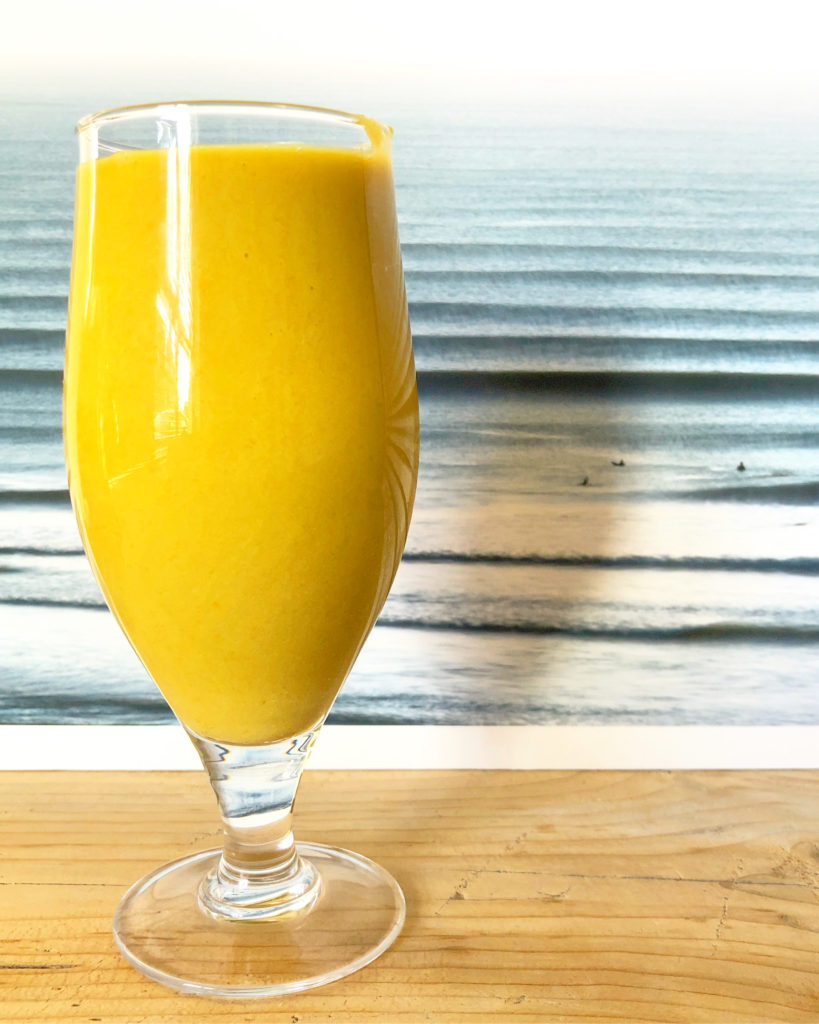
My love for Lassi knows no bounds. I’d sooner have a Lassi over a milkshake, and of course they can be sweet or salty but always delightful.

It is currently Mango season, so I’m getting beautiful mangoes in my organic veg box regularly. And just like pears, rarely do they arrive in perfectly ripe condition, so there is an element of waiting for the perfect moment of peak ripeness. Use up the mangoes we must do, and having them in a Lassi is one of my favourite ways to enjoy them!

We are blessed in West Cork to have Gloun Cross Dairy on our doorstep (more or less, West Cork is bigger than you might think!) I adore their milk, their cream and their Buttermilk too. It’s proper stuff, thick and full of goodness with just about the most perfect texture for Lassi making! Because its February, and because our immune systems are screaming for sunshine and warmth, (still a good few weeks away yet), I added organic, whole turmeric root here. It helps to boost the golden, sunshiny colour, but also is a great immune booster, good for the gut and to help ward anyway any nagging aches and pains with its anti-inflammatory properties. Despite its colour, it’s not sweet, but earthy in flavour, so a little goes a long way!

Sweet Golden Lassi

I added West Cork honey for some additional sweetness and goodness, and a little spritz of fresh lime juice just to enliven the natural acidity in the buttermilk to make the whole thing sing. Your blender does all the work for you, making this a perfect fuss free breakfast drink that sings of the warmer, sunnier days to come!

Time saving tip: keep ready to use frozen mango in your freezer, and simply add two handfuls to the blender!

Ingredients (makes 1 Lassi):

  • 1 ripe mango, peeled and chopped;
  • 2 cm piece of fresh turmeric root, peeled and grated (wash hands afterwards to prevent staining);
  • 150ml of fresh Buttermilk;
  • 2 tsp raw honey;
  • Spritz of fresh lime juice;

Method:

  • Place everything into a blender. Blend on high for 2 mins (or more if your blender is less powerful), ensuring everything has been well blended.
  • Pour into a glass and consume with glee!

Enjoy…

Talking of mangoes… Dianne Jacob won the MFK Fisher award for her essay, The Meaning of Mangoes. Have a read of it HERE.

If you liked that, you might be interested to know that Dianne will be coming to West Cork in October this year to co-host a food writing workshop and food tour with yours truly called Food With a Story to Tell. Full event information and online booking can be found HERE

Early Bird offer runs until 31st March 2020!

Brussels & Blue

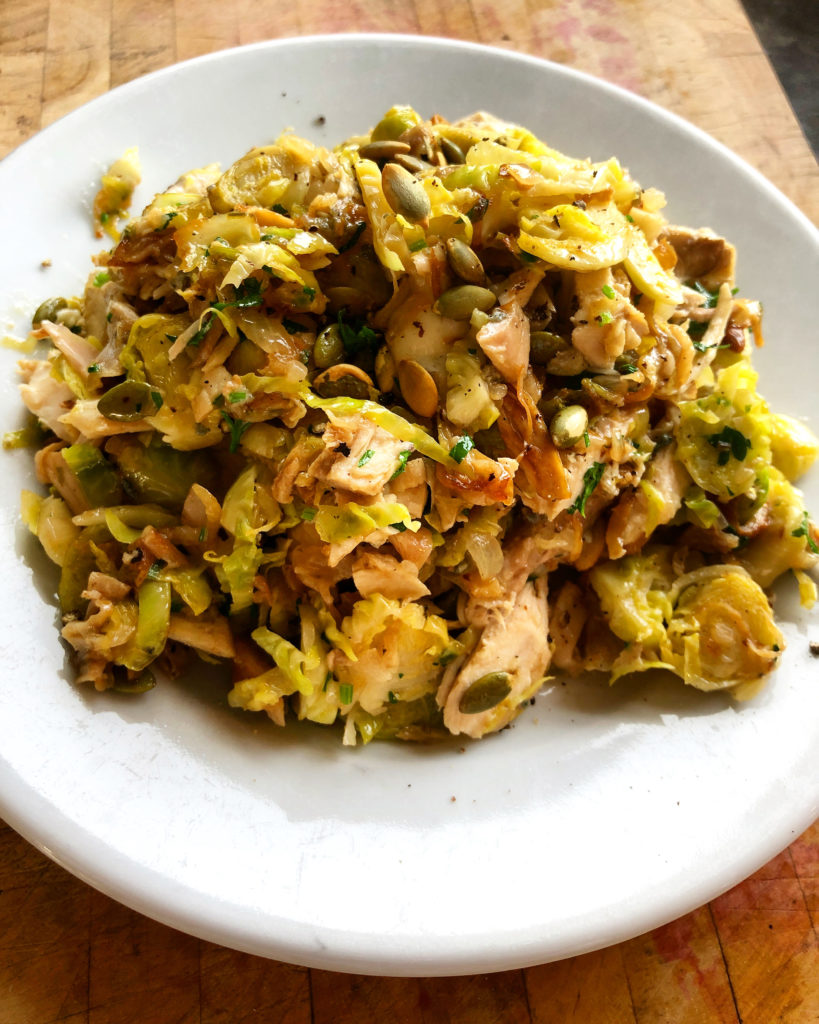
I’m one of those people who adore Brussel Sprouts. Mr Flavour refers to them as The Devil’s Vegetable, a non-compliment he bestows upon Cauliflower – also a favourite vegetable of mine. It’s a wonder how it is we have managed to be together for 20 years to be honest!

Frankly, it’s all in the cooking of them, and this recipe which will hopefully inspire you to gather up the last of this season’s wonder veg, is inspired by my food hero, Nigel Slater who penned a recipe for Brussels and Stilton Soup. My version could also be eaten with a spoon, from a bowl, wrapped in your Jim Jams against the last of the winter storms in front of a roaring fire with a decent box set for company. All’s fair in love and Brussel Sprouts…

Brussels and Blue

Because this recipe requires the sprouts to be thinly sliced, there is no need for steaming or boiling to death. Instead this is like a gentle braise, enhancing their flavour while retaining form and texture.

Ingredients: (serves 2 people generously)

  • 1tbsp Olive oil
  • Some Brussel Sprouts (however many you’d like, I’m not here to judge you), peeled and thinly sliced;
  • Roast Chicken pieces (don’t be roasting a chicken especially for this dish, but it is great for using up any left over chicken);
  • 1 medium white onion, finely diced;
  • Generous splash of a decent white wine – whatever you have to hand, but not a sweet wine;
  • Creamy blue cheese – I used Macroom Buffalo Blue here because it is a stunning cheese to use wherever possible;
  • Handful of chopped parsley;
  • Pumpkin seeds
  • Knob of butter, sea salt and black pepper

Method:

  • Preheat a deep saute pan, add the oil and the onion over a low heat until the onions turn translucent but not coloured.
  • Add in the sliced Brussel Sprouts, and stir about to cover.
  • Lash over the wine, 150ml should do it – a small glass.
  • Cover and allow to cook gently for about 5 minutes.
  • Uncover, allow the liquid to reduce slightly, then add in the roast chicken. Stir to combine.
  • Add in the blue cheese, reserving some. Mix it through with the reduced liquid to create a creamy sauce that lightly coats.
  • Add in the fresh chopped parsley and season to taste.
  • Sprinkle over the pumpkin seeds.
  • Pile up onto a plate, and finish with a few little nubs of blue cheese.
  • Serve with thick, crusty bread, and a glass of that lovely white wine!

Enjoy…

Review: The Glass Curtain

Twas three nights before Christmas, and Mr Flavour and I palmed off our beloved Springer Spaniel onto our unwitting friends and heading to Cork for a night of food, drink, a Bag O’Cans and a gig in a Church. Rock and Roll!

The gig in questions was Beoga, Live at St Lukes, an incredible live music venue in a deconsecrated Church where there’s no drink to be had, only what you can stuff into a shopping bag from the Off Licence across the road. Beoga are great (watch and listen here), St Luke’s is brilliant; but it was the pre-gig dinner at newly opened The Glass Curtain that really kicked off the evening in spectacular fashion.

The Glass Curtain, at the Old Thompsons Bakery
The Glass Curtain Owner and Head Chef, Brian Murray

Back in August, I had gotten wind of a new restaurant opening on MacCurtain Street inside the old Thompson bakery while interviewing for a feature on Midleton’s fEast Food Festival in September. I managed to wangle an email contact for Brian Murray, a returning Corkonia, head chef and soon to be proprietor, and got in contact, asking him to let me know when the restaurant would open. Now, you would think that Brian had more important things to worry about that emailing me on the eve of the restaurant’s opening in early December, but he did. Attaching his press release was a lovely note recalling how our paths had briefly crossed earlier in the year. Those are the kind of personal touches that make you realise this is a chef who pays attention. I had thought I wouldn’t get to dine until after the festive season, but the impromptu decision to make a night of it in Cork for the gig meant I could make good on my intention earlier than planned.

Things to note about The Glass Curtain:

  • It’s small. Only 36 seats with a funky bijoux bar with high stalls, perfect for sipping cocktails and partaking in a couple of the small plates.
  • The kitchen is open and HUGE. I like seeing the chef team work – it gives a sense of dinner and a show. The long narrow nature of the space means the kitchen space is cavernous!
  • A menu that can be shared or devoured alone. Small plates that can be shared or eaten as individual starters; large plates the same. It’s a flexible approach to menus that I love, personally, but for some might be a bit baffling.
  • Have a cocktail before dining. Because the cocktails are excellent.

The Glass Curtain is about local, seasonal foods and celebrating the best of Cork grown and reared produce. Food is cooked over fire and charcoal; there is also magik and wizardry. Meat and fish feature throughout, but vegetables are treated with the level of detail ensuring that, only when together, does the flesh truly sing.

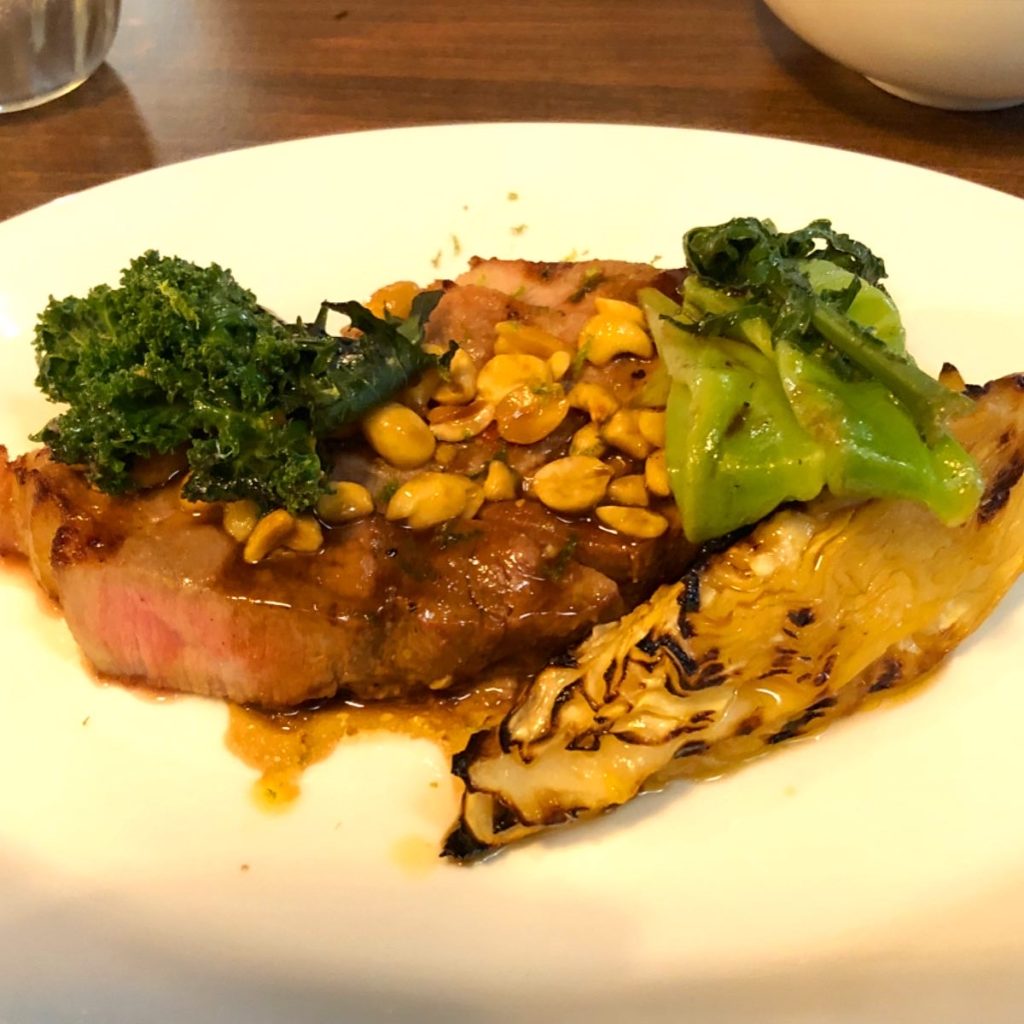
Casing point: For my large plate, I ordered Collar of Pork (a cut rarely seen on restaurant menus but one I love for its rich flavour and yielding texture). Served blushing, just the way it should be, melting and seared with sweetly sour sticky tamarind, it was possibly one of the best treatments of meat I have had this year (one exception: duck at The Chestnut, Ballydehob). It was served with a house made spicy Peanut Rayu and a selection of three cabbages: kale, sweetheart cabbage and green cabbage. The pork on its own was very good indeed, but only when eaten with the cabbage, buttery and smokey from the grill, did the dish truly come alive. I’ve always said that cabbage is a much underrated vegetable, and I would wager that Brian and I share the same belief; for while the Pork was meant to convince you of being the star of the show, frankly it was the unexpected glorious performance of the supporting act, Cabbage, that stole the show and made the Collar of Pork even better than it was on its own. A triumph of technique and flavour wrapped up in a cape of modesty. Positively indecent cabbage, in all the right ways.

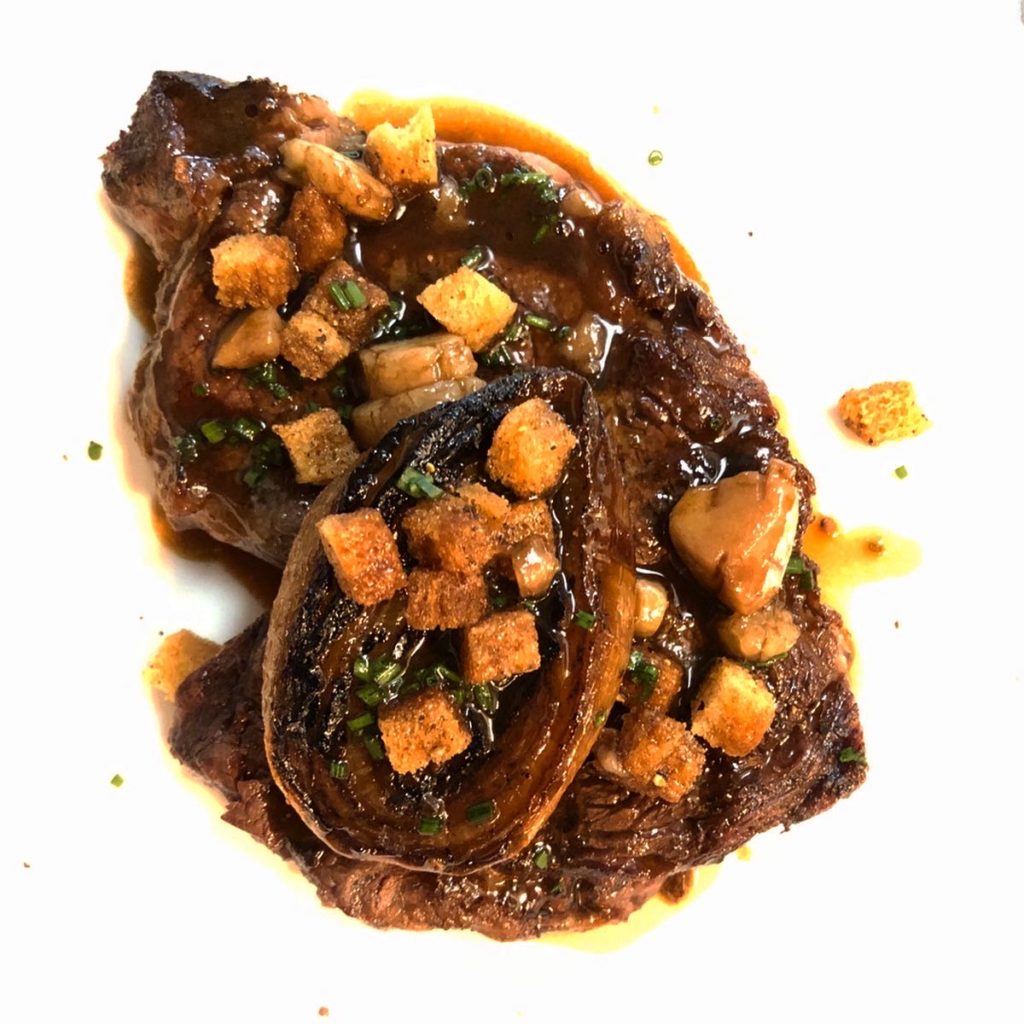
Mr Flavour has a penchant for beef, and so opted for the Ribeye. Darkly barked and smokey without, erubescent within; sighing in surrender to the knife and served with an unctuous bone marrow jus: “This,” Mr Flavour proclaimed, “This is the best Ribeye I have ever eaten. EVER!” Now, Mr Flavour is not one to be given over to public, or even private, effusive proclamations of approval. ‘Tis Grand’ is the height of his usual praise, so you can imagine how utterly suspicious I was of this sudden outburst. But he kept saying it over and over again, so decided this euphoria was well placed. I was proffered a measly morsel, which thankfully was enough for me to agree with Mr Flavour that, indeed, this was a very delicious piece of beef, cooked to perfection. Bone marrow, I have determined, has the ability to do strange things to folk. And as this was our second taste of it, (the first being a split femur, from the size of it, filled with grilled onions and a crunchy herby crust), we were both certainly well indulged.

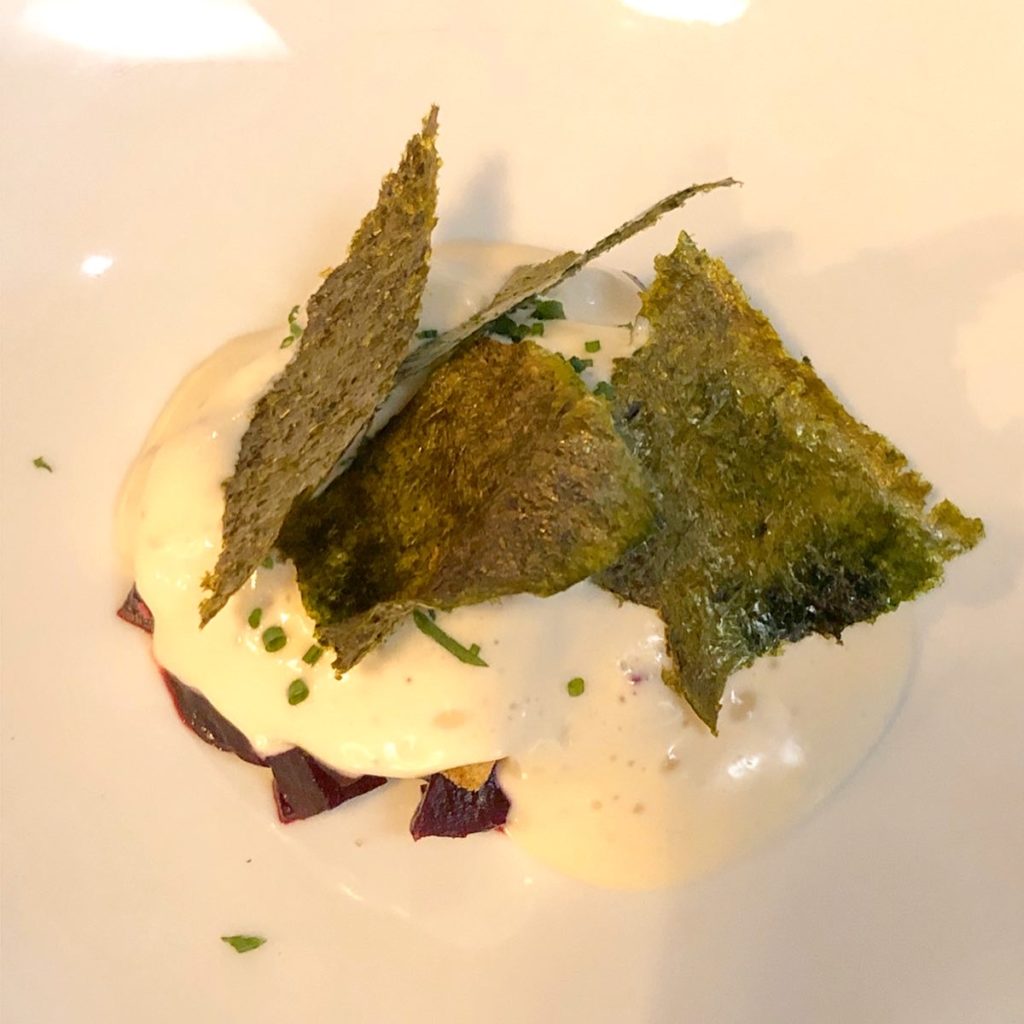
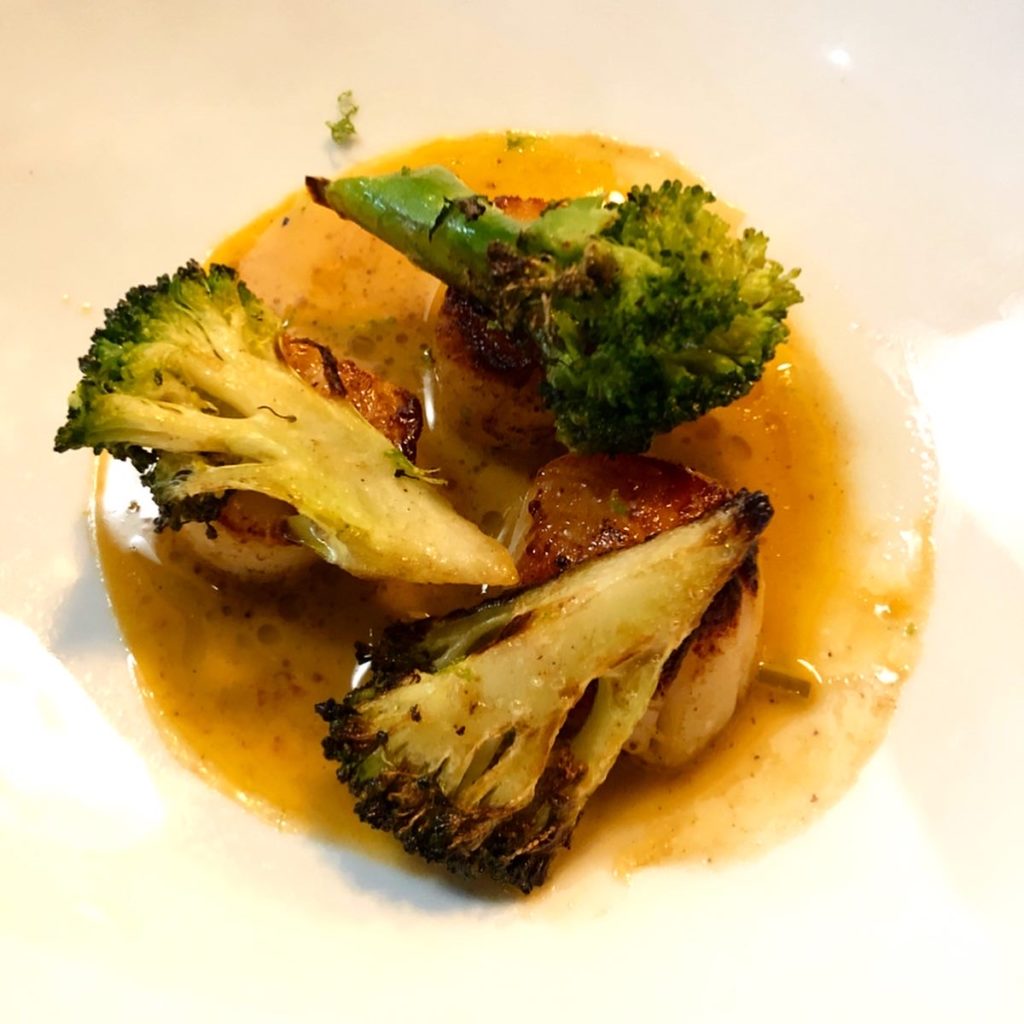
So, what else did we indulge in? In addition to the bone marrow small plate, we also inhaled the sweet and earthy Beetroot Tartare with Horseradish Tofu and Nori and the Seared Scallops with Coconut and Broccoli. And once again, the vegetable treatment was excellent. Someone, probably famous, once said: anyone can cook a piece of meat, but it takes skill to get the most out of vegetables. I concur.

Honey Custard Tart

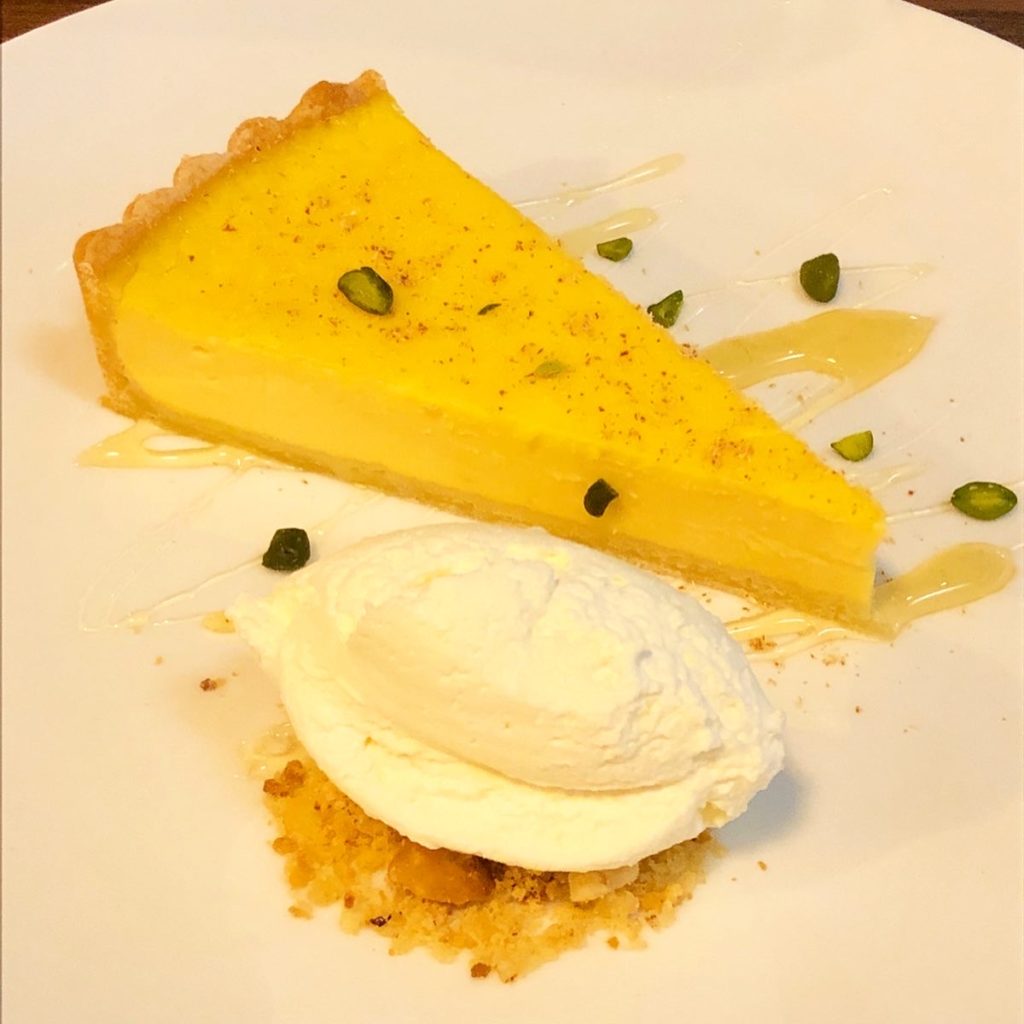
A note about dessert. As in previous posts, you may already be away of my proclivity towards anything remotely custardy. Therefore, it was an inevitable that to finish, I opted for the Honey Custard Tart with Nutmeg and Fresh Cream, scattered atop with Pistachios. Take me to church! (Well, ironically, I kinda did afterwards). Thick and stiff, like clotted cream, super thin, crispy pastry and that hint of wintery nutmeg. Rich yet light, completely indulgent and a day hasn’t passed that I haven’t thought about it and wanted it. Can one hold an obsessive desire for an inanimate plate of dessert? Well, I’m in love and I don’t care who knows it!

We arrived for an early sitting, but by the time we departed, dragging our full but happy bodies up the hill to the Offy for a Bag O’Cans and onto our gig, The Glass Curtain was hopping! I feel right now that only those in the know know about The Glass Curtain, but it won’t be too long before word properly gets out, and it’ll be a fight to the end for a table. And so it should be. Brian may have spent the last few years of his career Not In Cork, but now he is very much Back In Cork and, from his careful selection of ingredients, and the careful treatment of them using seemingly nothing but fire and a shed load of butter, Brian is a chef reveling in his prodigal return.

I don’t profess to know much about Korean food, but there is something reminiscent of this cuisine in Brian’s menu. Yes, there are overtures of Asian flavours, the smoke and fire charcoal BBQ element is very on trend with Korean BBQ right now; and yet the way these ingredients and flavours are put together are still recognisably, well, Irish? Tis far from Nori, Coconut and Tofu we might have been raised, but the core ingredients are well rooted in Ireland – embracing great Irish produce with flavours from far away, melding them together and creating something venturing on Modern Irish.

Cork City is settling in well to its reputation as an exciting proposition for diners, and The Glass Curtain is hitting a pitch perfect point between casual dining and restaurant dining; where the customers are made to feel like family and the food is excellent yet understated. I simply cannot recommend this restaurant enough.

A joy. An absolute joy.

Aubergine, Tomato & Halloumi

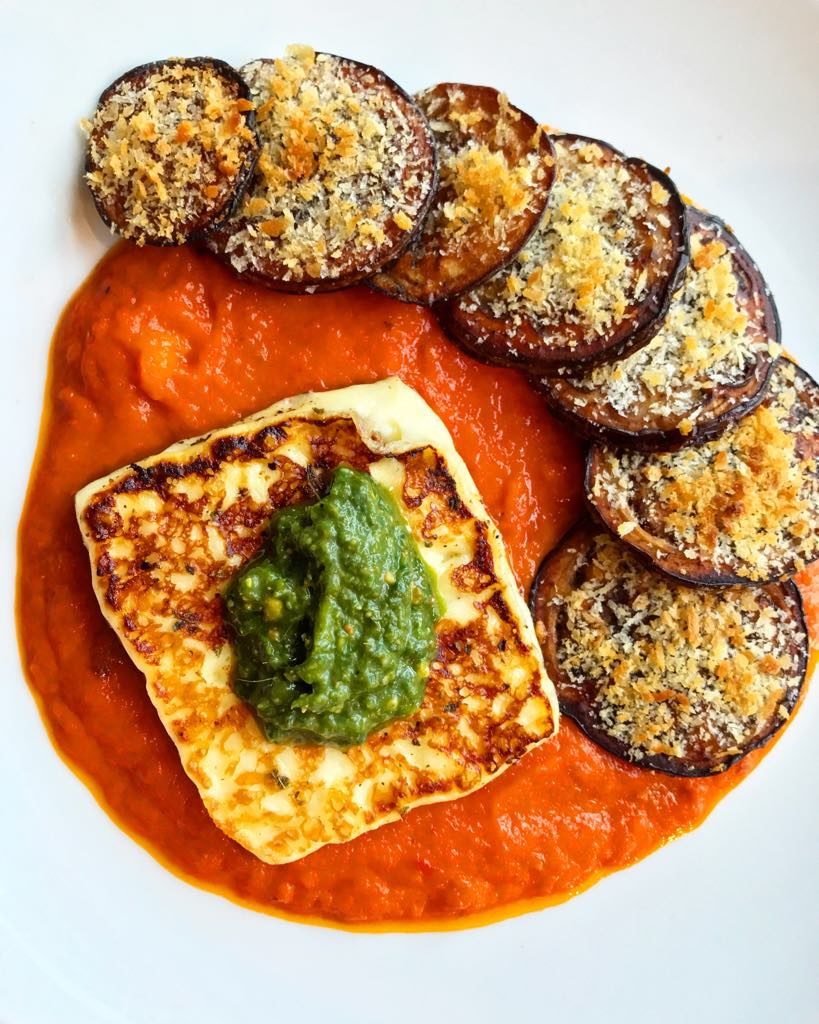
I can’t tell you how much I love this dish! I sometimes exchange the cheese for homemade Kofte, but using Macroom Buffalo Haloumi is a really great substitute for a Meat Free feast!

There are a few elements to this dish, but actually if you follow the sequence in the method, you’ll find that it’ll all be done in under 40 minutes. Also worth noting is that this sauce will make more than you need, but don’t fret – this sauce goes with everything! Just portion off what you don’t use for this and use for a quick and easy pasta dish another night!

Aubergine, Tomato and Halloumi

Ingredients:

  • Two tins of tomatoes
  • 1 medium red onion, finely diced
  • Olive oil and a generous knob of butter
  • Sea salt
  • 1 large aubergine, sliced into rounds
  • 1 or 2 egg whites
  • Panko breadcrumbs, seasoned with black pepper
  • 1 pack of Macroom Buffalo Halloumi, slice in half length ways
  • Dried oregano
  • Green herby pesto: either homemade or a good quality shop bought one

Method:

  • In a deep saucepan, add 1 tbsp of olive oil and the butter. Gently fry off the onion until its softened but not taken on any colour. Add the tomatoes and cook for at least 30 mins on a low heat, stirring every so often.
  • While the sauce is cooking, place the aubergine slices in a colander and salt over generously. Set aside.
  • When the sauce is cooked, place everything into a blender a wiz until super smooth. Check for seasoning and adjust with salt and pepper. Place back in the saucepan ready to warm through.
  • Pat the aubergine slices with kitchen paper, then brush both sides with the egg white. Pane on one side only with the breadcrumbs.
  • In a large heavy based frying pan, heat some oil and then cook the aubergine slices on the naked side first, then flip and cook through on the crumbed side until golden brown. Set aside.
  • Warm through the sauce until it just begins to bubble.
  • Prepare the halloumi with a light brush of oil and sprinkle a small amount of dried oregano on both sides. Fry off until golden brown in the frying pan used for the aubergines.
  • Spoon a generous amount of the tomato sauce onto a place and frame with slices of the aubergine. Place the halloumi in the middle of the tomato sauce and top with a spoonful of pesto.

Enjoy!

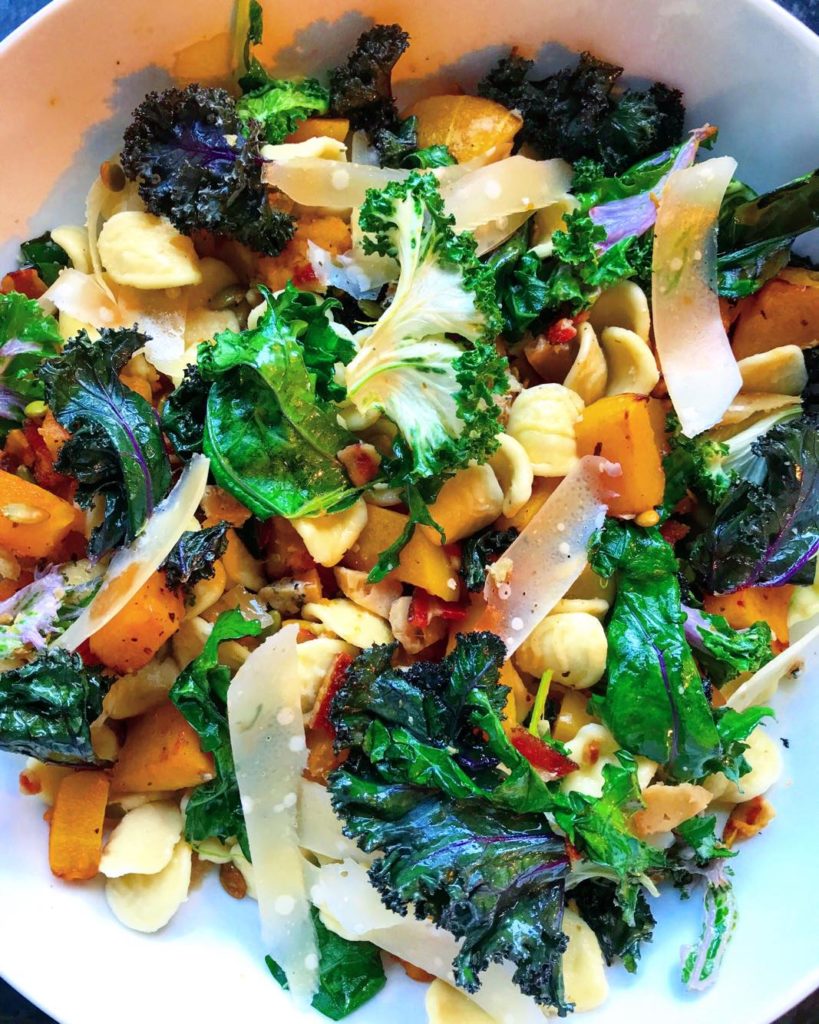
Kale & Pumpkin Orecchiette

I made this recipe back in September just as the autumn was starting to make an appearance in earnest. And, despite it taking me a solid three months to get it up on the blog, thankfully all the flavours are still as relevant as we head into the end of one year and the beginning of a new one!

With some dishes I come up with, I wonder where a dish transforms from being a mere assemblage of ingredients into an actual recipe, and this is very much one of those dishes. So whichever it may technical set upon, the ingredients and method, such that it is, is noted below. But aside from all of that, this is the kind of dish that is pure comfort and joy. Don’t stimp on loading the roasting tray for the squash/pumpkin with endless cloves of garlic so that the kitchen is filled with that: the best aroma of all!

Kale & Pumpkin Orecchiette

Ingredients (serves 2):

  • Enough Oriecchiette pasta for two people
  • 1/2 Butternut Squash, peeled, deseeded and cubed into 1inch pieces
  • Lots of garlic – at least 5 cloves, in their skin and smashed
  • 20g of blue cheese (Shepherds Store works well)
  • 1 pack of Gubbeen streaky bacon, sliced into thin lardons
  • 2 generous handfuls of seasonal kale, destem and tear the leaves.
  • Handful of toasted pumpkin seeds
  • Parmesan cheese
  • Olive oil, sea salt and pepper

Method:

  • Heat the oven to 180 degrees Celsius, prepare the squash and arrange it on a baking tray. Toss in the smashed cloves of garlic, drizzle over a small amount of olive oil. Toss through and roast until the squash is tender. Turn once during cooking.
  • Bring a pan of well salted water to the boil, add in the pasta, a drizzle of olive oil and cook until tender. Drain and set aside.
  • Fry off the bacon until all the fat has rendered out and the bacon has gone crispy. Drain on kitchen paper and set aside.
  • Keep the bacon fat, and once the squash is cooked through heat up the bacon fat again and quickly cook the kale leaves until they have softened.
  • Into a large sharing bowl, add the drained pasta, squash, pumpkin seeds and the crumbled blue cheese, season with sea salt and black pepper and toss together.
  • Scatter about the kale, then crumble the bacon over. Finally, using a veg peeler, peel off some Parmesan cheese over the whole dish and serve immediately.

Enjoy!

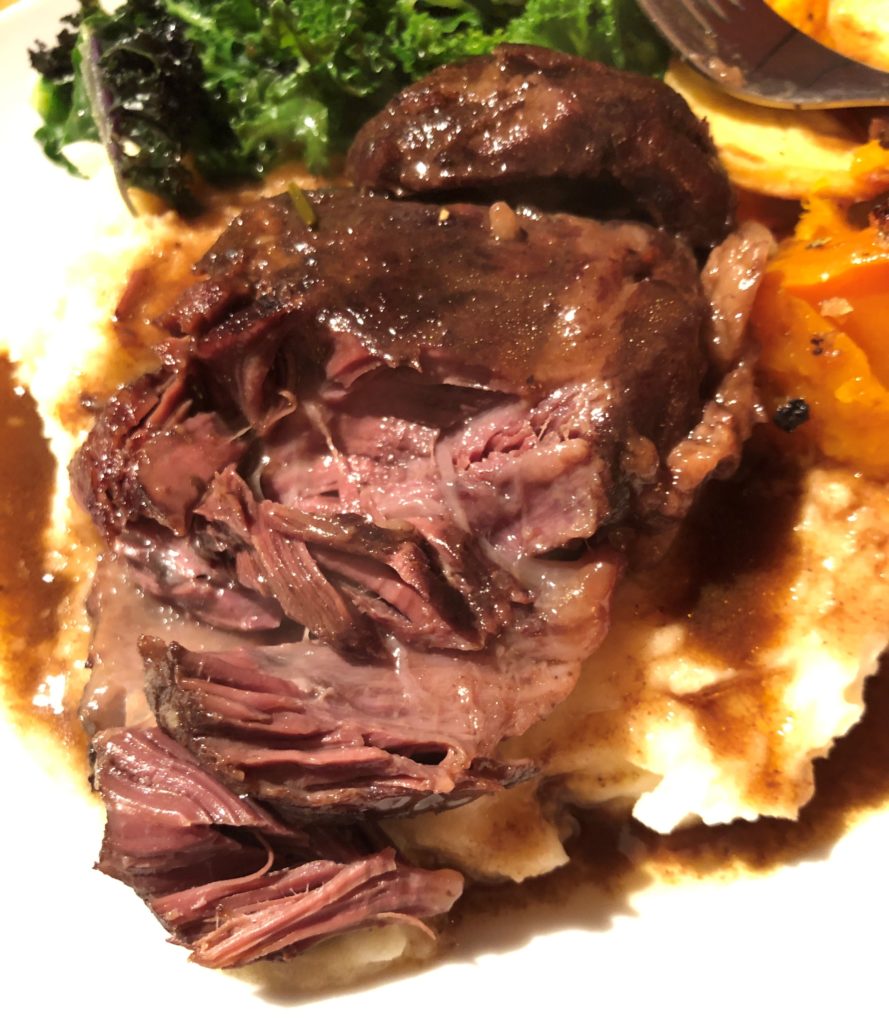
Slow Braised Beef Cheeks

One of the absolute joys of recent years is discovering the wonder of slow cooked beef and pork cheeks!

Probably even five years ago, it might not be something we would choose to eat, but with the growing popularity in nose to tail eating and cooking, offal and many rediscovering how lovely slow cooking is (largely due to the rise in popularity of slow cookers again), they have started to crop up on restaurant menus and, if you are lucky enough to have access to a traditional butcher that still sells the less expensive cuts, in home kitchens too!

Beef Cheeks are a gift: the pack a punch flavour wise, give incredible yield of meat, are much more cost effective than a steak and also help in doing our bit to reduce waste when it comes to using all of the animal.

They are also a hard working muscle on the animal and so need long and slow cooking to break them down so we can access their incredible flavour and texture. Slow cooked, or braised, correctly, and the meat will do that thing where it just melts at a touch of a fork and feathers away.

Glorious Beef Cheeks!

I love cooking beef cheeks. I don’t own a slow cooker myself, so for me it is all about the slow braise with plenty of vegetables, herbs and red wine. The absolute best way to eat them is with a creamy, rooty mash of some kind: potato, celeriac or swede work particularly well. Alternatively, whip up a batch of creamed polenta and serve with a melange of wild mushrooms and wild kale. I always save the cooking liquor from the braise, sieve it and then reduce it and thicken it with a little roux for a sauce that perfectly reflects the cooking of the beef cheek. You can of course also use a slow cooker for this recipe if you have one, it will reward you with the most comforting of home cooked dishes for a cold winters’ night!

Ingredients:

  • 2 tsp of olive oil
  • 2 celery sticks, washed, trimmed, finely sliced
  • 2 carrots, washed, peeled and finely diced
  • 2 cloves of garlic, peeled and smashed
  • 1 medium onion (red or white), peeled and finely sliced
  • Handful of cherry tomatoes, halved
  • 2 bay leaves
  • Small handful of mixed woody herbs: thyme and rosemary etc
  • 500ml of good quality chicken stock (preferably homemade)
  • 300ml of a robust, full bodied red wine
  • 2-4 beef cheeks (add more wine if cooking more than two cheeks)
  • Knob of butter.

Method:

  • About an hour before cooking, lightly salt the beef cheeks with a good quality sea salt. Set aside.
  • Bring the oven to 150 degrees Celsius, no fan.
  • Into a deep cook pot with a lid, add the oil oil and two thirds of the celery, carrot, onion, garlic and tomato mix, and half the amount of herbs. Mix together.
  • On top of the vegetables, add your beef cheeks.
  • On top of the beef cheeks, add the remaining vegetable and herb mix.
  • Pour in the chicken stock and red wine. Add a generous knob of butter on top.
  • No need to season at this stage, you can do this when you are preparing the sauce later.
  • Place into the oven and cook for 3.5 to 4 hours, turning the cheeks once or twice. Cook until the meat has cooked through to tender – if you were to press it with a fork it should be soft and yielding.
  • When cooked, remove the cheeks from the braising liquid and set them aside to rest.
  • Sieve out the vegetables from the braising liquid, keep the liquid!
  • Place the liquid in a saucepan and cook until reduced by half. Add in a little cornflower mixed with warm water, add to the sauce and whisk out any lumps that might form.
  • Bring the sauce up to a simmer, and return the cheeks to it to warm through gently. Season with sea salt and freshly ground black pepper.
  • Serve up with a creamy rooty mash, some kale and a generous drizzle of the sauce.

Enjoy…!

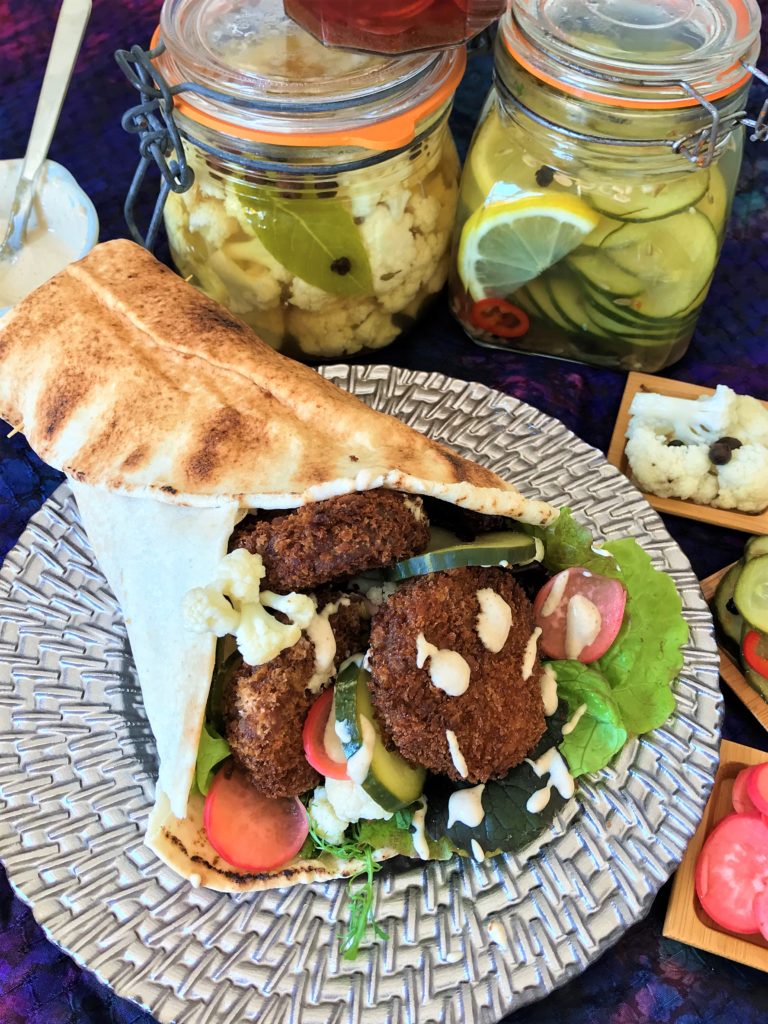
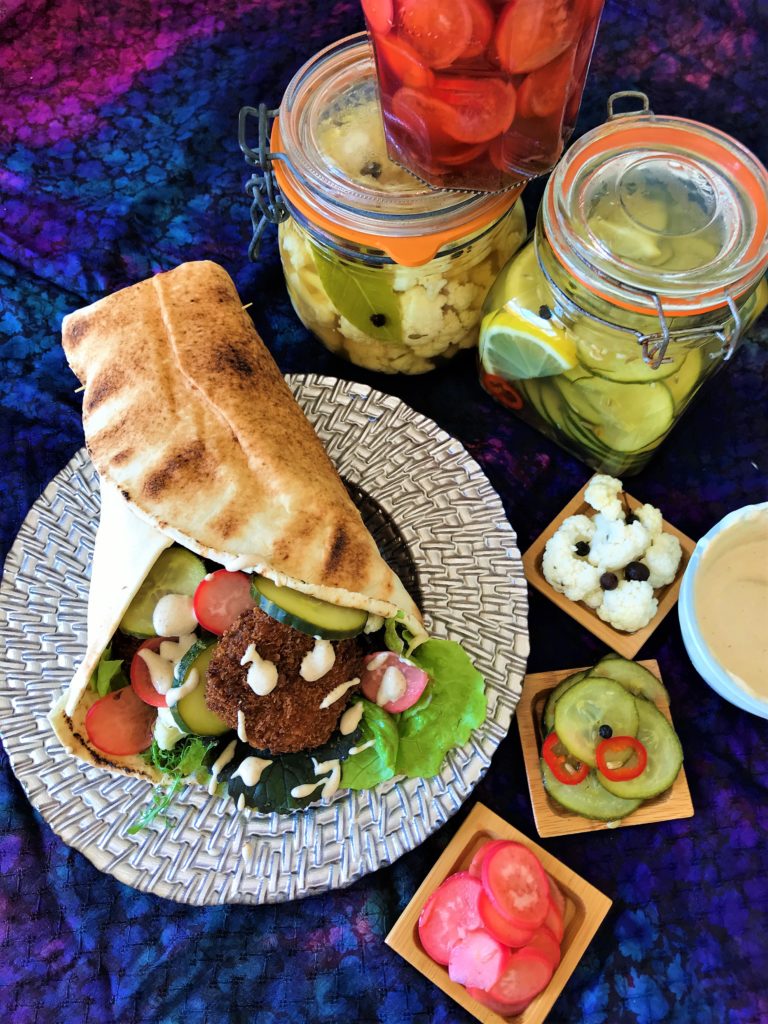
Clonakilty Veggie Pudding Falafel & Pickles

#AD Have you heard the news? Now there’s a Clonakilty Pudding for Veggies…and it’s seriously yum!

In my second original recipe in collaboration with Clonakilty Food Co., I got to experiment with their brand new Pudding to add to their Black and White range. Clonakilty Veggie Pudding delivers on texture, flavour and versatility, just like its older siblings, but is 100% vegetarian, suitable for Vegans and Gluten Free too!

Clonakilty Veggie Pudding Falafel & Pickles
Clonakilty Veggie Pudding Falafel, Pickles & Tahini Dressing

Made with onions, carrots, black beans, pea starch and Clonakilty Food Co’s distinctive mix of spices, this is a delicious and savoury alternative whether your veggie or just looking for inspo to go meat free!

In this new recipe, I wanted to celebrate vegetables and one of my favourite ways to do that is by adding delicious little bursts of piquant flavour with pickles. Versatile and full of moreish flavours, it matches the Clonakilty Veggie Pudding perfectly!

This recipe is so easy, but you can make it even easier by buying in your favourite pickles! Of course you can make your own really quickly too and is a great way of using up any odd bits of vegetables in your fridge or gluts from the garden. Play around with spices, citrus and herbs to create your own signature pickles too.

 Ingredients (makes enough Falafel for 2 people)

  • 1 litre of Sunflower Oil
  • 1 x 250g chub of Clonakilty Veggie Pudding
  • 1 free range egg, whisked
  • 50g panko breadcrumbs
  • 2 x flatbreads (Syrian flatbreads or Pitta Breads work best)
  • 1tbsp Tahini Paste
  • 2 tbsp Natural Yogurt
  • Zest of 1 lemon, juice of 1/2
  • Sea salt and freshly cracked black pepper
  • Salad leaves, something peppery like rocket or mustard leaves
  • Pickles*

Method

If you have a deep fat fryer, get that switched on now. If not, use a sturdy deep saucepan and no more than half-fill it with 1 litre of sunflower oil. Bring it up to temperature perfect for quick deep frying.

While the oil is heating up, make the Tahini dressing. Mix together the tahini, natural yogurt, half the lemon juice and a sprinkle of sea salt. Mix well together until a pouring texture. If too thick, either add a little water or more lemon juice. Check for seasoning and flavour balance.

On a plate, pour out the panko breadcrumbs. Crack the egg into a ramekin and whisk with a fork. Slice the Clonakilty Veggie Pudding into rounds about 1.5cm thick. When the oil is hot enough, take each round and dunk in the egg wash then roll in the panko breadcrumbs. Gentle place into the hot oil one at a time until golden brown. Take out with a slotted spoon and place on kitchen paper to drain off any excess oil. Repeat until all the rounds are cooked. Turn off the heat and leave the oil to cool down completely.

Plating

Fill the flat bread with a selection of peppery salad leaves. Add in a selection of your favourite pickles, the Clonakilty Veggie Pudding Falafel and pour over your tahini dressing.

* Pickles

A simple quick pickle can be made by mixing equal parts vinegar and water and heating to a boil. Sterilise an empty glass jar and fill with a selection of aromatics: spices, citrus, herbs – whatever you think best goes with the vegetable you want to pickle. Add in the vegetables (individually or a mixed veggie pickle) and then fill with the hot pickling liquor. Add sea salt, or substitute with sugar for a sweet pickle. Close the lid tight and allow to cool. Shake every now and again to help the flavours mingle together. Chill in the fridge and serve with everything!

web design and development by the designer of things